Folder · 3 symptoms
Furnace and AC Smells, Sorted by Risk
Furnace and AC smells fall into three groups: rotten eggs means leave and call from outside, hot plastic means shut the system off and call, and dusty or musty odors usually allow a few safe checks.
Checked against makers' and agencies' documents by Hum Drip Hiss · how pages are made · Updated
Vitals
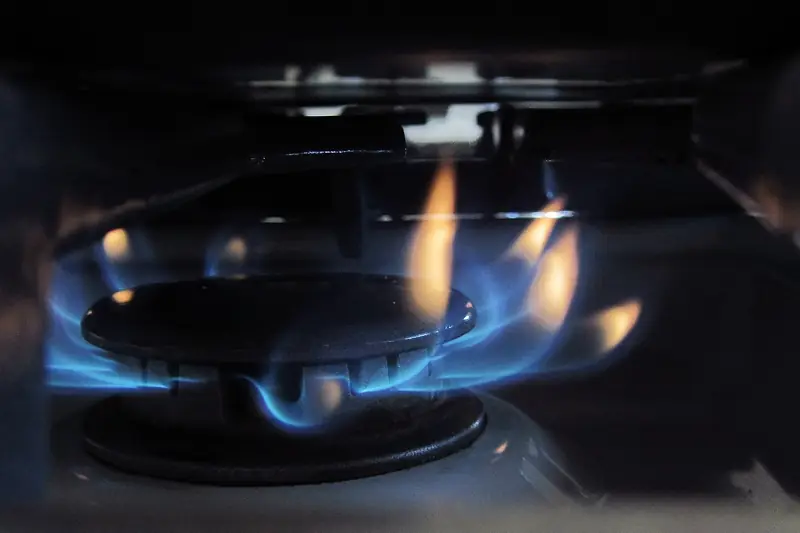
- Utilities add mercaptan to natural gas so a leak gives off a rotten-egg or sulfur odor, per National Grid.
- Dust burning off on the season's first heating run should fade within a few hours, by Carrier's and Lennox's estimates.
- Trane calls a burning-plastic smell a likely electrical problem and a big safety hazard.
- A musty vent smell is linked to mold or mildew on the coil or in the ducts; the EPA's humidity target is 30-50%.
- Carbon monoxide has no odor at all (EPA), so CPSC wants an alarm on every level of the home.
Leave first if you notice
- Rotten eggs, sulfur or a skunk-like smell anywhere indoors: everyone out now; no switches, phones or flames on the way.
- Make the call only once you're clear of the house: 911, the gas company's emergency number, or both. Leave windows and doors as they are and stay away from the meter.
- Smoke or flames: get out and call 911.
- A CO alarm going off, or anyone with a headache, dizziness, nausea or confusion: get everyone outside and call 911.
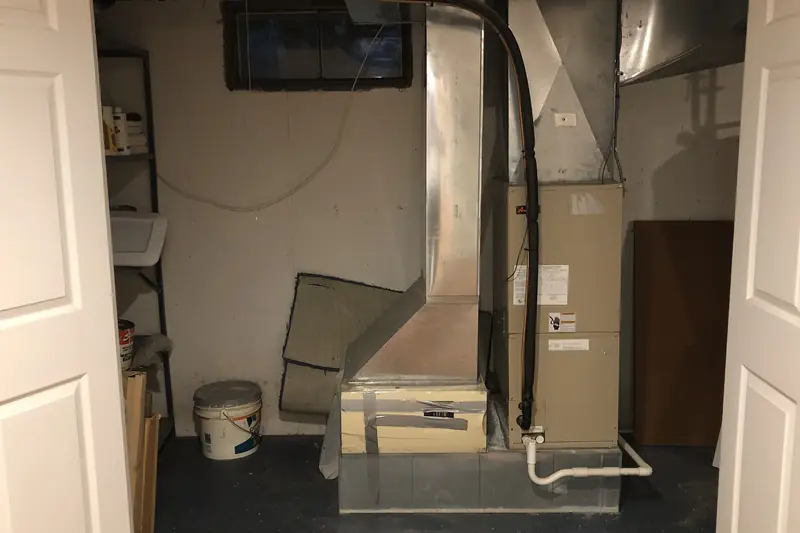
- A hot plastic or electrical smell from the furnace or air handler: switch it off at the thermostat and its switch or breaker, then call.
- If you're unsure, stop and call a licensed HVAC technician.
Which furnace and AC smells are emergencies?
Gas, smoke, and any odor that arrives with a CO alarm or with symptoms such as headache and nausea. Gas utilities agree on the order for a gas odor: people out first, then the call, made from a safe distance. CenterPoint Energy asks customers to get at least 350 feet from the building before phoning, and not to touch switches or the meter.
A hot plastic or electrical smell is urgent too, but the first move is different: switch the equipment off and get a technician out, unless you see smoke, in which case leave and call 911. Full steps are on the gas smell page and the page on a burning smell from the furnace.
Which furnace smells are normal at startup?
A dusty, slightly scorched odor on the first cold day is expected. Carrier says this "burning dust" odor typically lasts from about 30 minutes to a few hours when the furnace first runs for the season, and should be looked into if it persists or gets stronger.
A brand-new furnace can give off a mild chemical smell as its protective finish heats for the first time, which Lennox says clears within a few hours. If either returns daily or changes character, treat it as a call.
What does a musty smell mean?
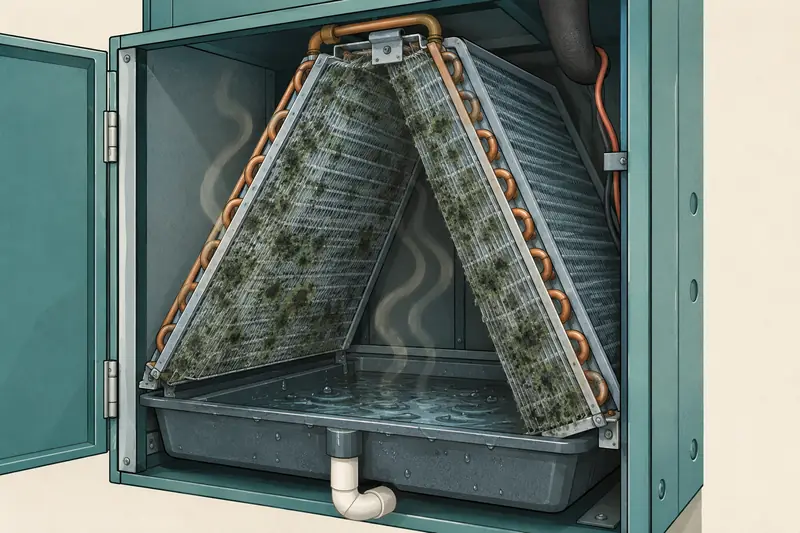
Usually moisture and growth somewhere in the system. Trane links a musty odor from the vents, sometimes called dirty sock syndrome, to mold and mildew in the ducts or on the evaporator coil, and says the first step is to change a dirty or wet filter.
The EPA suggests keeping indoor humidity between 30 and 50 percent, and below 60, and keeping drip pans clean and drain lines flowing. It also says not to run a system you know or suspect is contaminated with mold. The page on dirty sock syndrome walks through the checks and when coil cleaning becomes a technician's job.
What does an electrical smell from the furnace or AC mean?
Something may be overheating. Trane traces a melting-plastic odor to the casing on the furnace's electrical wires, and Carrier names an overheated blower motor as one cause. Both makers say to turn the system off and have it inspected rather than keep running it.
Before blaming the furnace, notice whether the odor is still there with the heat off. Carrier points out that refrigerators, toaster ovens and dryers can produce the same smell, and that the right step for an appliance is to unplug it. Wiring, motors and anything else behind the furnace panels stay with a licensed technician; see what homeowners can safely check.
Can you smell carbon monoxide?
No. The EPA describes carbon monoxide as odorless and colorless, which is why it can harm people before they notice it. A furnace, water heater or fireplace that vents badly can leak it with no smell at all.
Rely on alarms instead. CPSC recommends CO alarms on every level of the home and outside sleeping areas, plus a professional inspection of the heating system every year. If an alarm sounds, get everyone outside and call 911. The page on a carbon monoxide detector beeping explains the beep patterns.
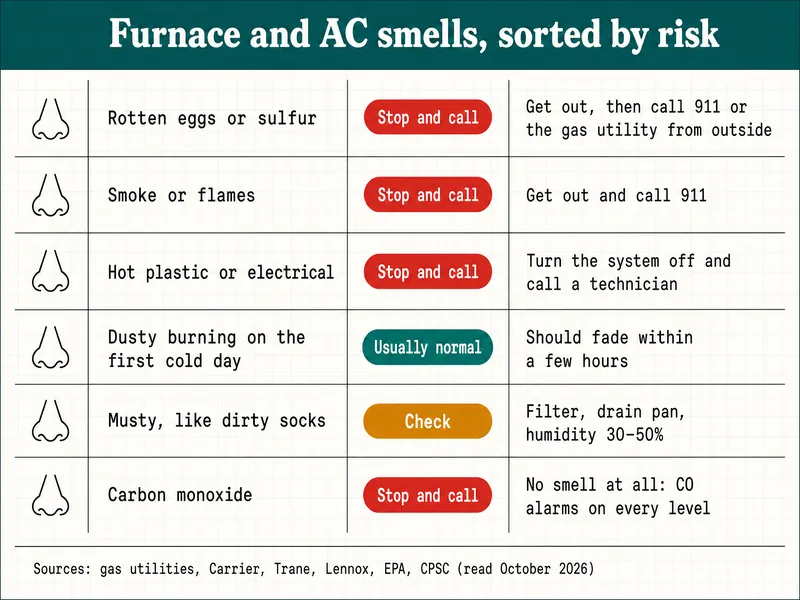
| Smell | What it usually means | First step | Risk level |
|---|---|---|---|
| Rotten eggs, sulfur or skunk | Gas leak | Leave on foot; call 911 or the utility from outside | Stop and call |
| Smoke | Fire | Leave; call 911 | Stop and call |
| Hot plastic or electrical | Overheating wiring or motor | Shut the system off; call a technician | Stop and call |
| Dusty burning, first cold day | Summer dust burning off | Let it run; replace a dirty filter | Usually normal |
| Mild chemical, new furnace | Factory finish heating up | Let it run a few hours | Usually normal |
| Musty or dirty socks | Moisture and growth on coil or ducts | Filter, drain pan, humidity check | Check |
| No smell, but CO alarm sounds | Carbon monoxide | Get outside; call 911 | Stop and call |
Readings
- 350 ftCenterPoint's minimum distance from a building before calling about a gas smellCenterPoint Energy
- 30 minLow end of Carrier's estimate for a first-run dust odor, which can last a few hoursCarrier
- 30-50%Indoor humidity range the EPA calls ideal for keeping mold downEPA
Pages in this folder
 Smells: Rotten-egg gas smell: what to do
 Smells: Burning smell from the furnace
 Smells: Dirty sock syndrome and musty vent smells
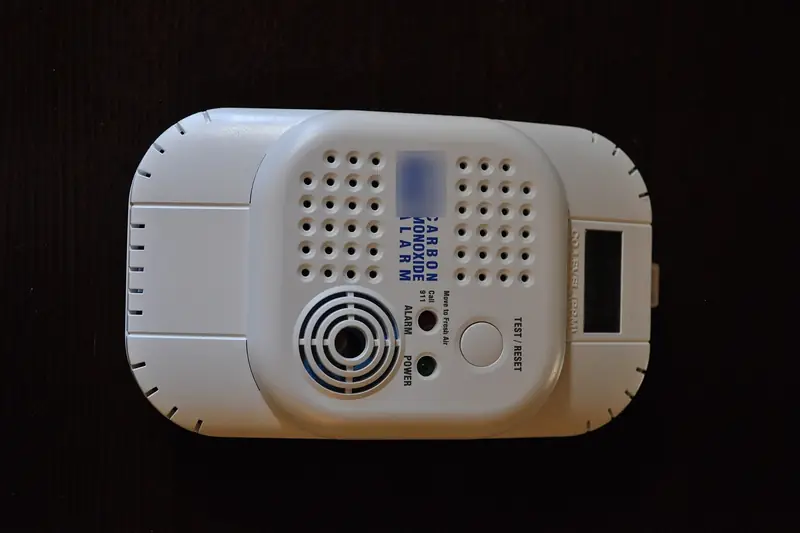 Lights, alarms and codes: Carbon monoxide detector beeping
For warning signs beyond smells, use the master stop-and-call list; and the Hum Drip Hiss home page lists the other symptom folders.
Case notes
This hub draws on the gas-leak pages of CenterPoint Energy, National Grid and Nicor Gas; Carrier, Trane and Lennox pages on furnace and HVAC odors; the EPA's mold and carbon monoxide pages; and CPSC's carbon monoxide guidance, all read in October 2026. It sorts smells by the first step each source gives. Smells from plumbing, sewer gas and appliances other than heating and cooling equipment are left out, as are repair costs.
Asked at intake
My house smells like gas only when the furnace starts. Is that still a leak?
Treat it as one. Leave the house without touching the thermostat or switches and call 911 or the gas utility from outside. Let the crew decide whether it's the furnace.
Why does the heat smell like burning hair or toast?
Most often it's dust cooking off the heat exchanger after months unused. It should fade within a few hours; if it doesn't, turn the furnace off and call.
The AC smells like vinegar. What causes that?
Trane says some people describe the musty dirty-sock odor as vinegar-like, which points to growth on the coil or in the ducts. Check the filter, the drain pan and indoor humidity, then call a technician if it persists.
Is a musty smell from the furnace in winter the same thing?
Possibly. Carrier says a musty smell can come from mold or mildew in the ducts or the cooling coil that sits on top of many furnaces, so the same moisture checks apply.
Should I use air fresheners to cover an HVAC smell?
No. A masking scent can hide a gas odor, and Nicor Gas notes that other smells can mask the gas odorant. Find out what the smell is instead of covering it.
Can a furnace smell bad and still be safe to run?
A dusty first-run smell, yes. Gas, plastic, electrical, metallic or smoke smells, no; switch off or leave as the stop panel on this page describes.
Back to the Hum Drip Hiss front desk